

Understanding the psychological effects of gambling What you need to know
The Nature of Gambling and Its Allure
Gambling has long captivated individuals, offering the thrill of potential rewards and the adrenaline rush associated with risk-taking. The psychological allure stems from a combination of excitement, social interaction, and the promise of financial gain. People are naturally drawn to the excitement that accompanies games of chance, where each spin of the wheel or flip of a card holds the potential for a life-altering outcome. For instance, many newcomers find helpful insights at winningz-au.com as they explore their gaming preferences.
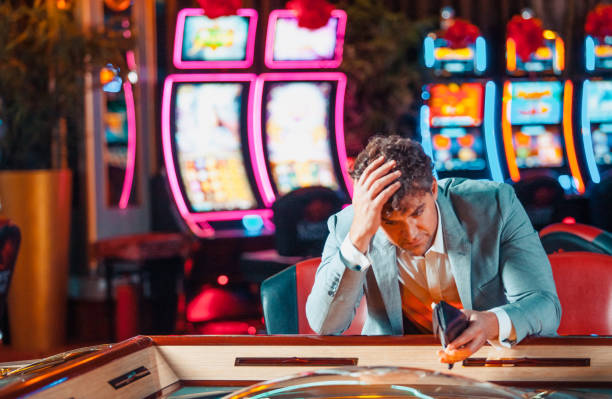
Moreover, the environment of casinos and online gambling platforms enhances this allure. Bright lights, engaging sounds, and the presence of fellow players create a stimulating atmosphere that can heighten emotional responses. This sensory engagement can make it difficult for individuals to resist the temptation to gamble, especially when they feel lucky or optimistic.
This attraction can have both positive and negative outcomes. On one hand, gambling can foster a sense of community and provide entertainment. On the other hand, the thrill of winning can quickly morph into a dangerous cycle of dependence, where the desire for the next win overshadows the awareness of the potential consequences.
The Psychological Effects of Winning and Losing
The immediate psychological effects of winning are often euphoric. Many gamblers experience a rush of dopamine, a neurotransmitter associated with pleasure and reward, reinforcing the behavior. This reinforcement can lead to an increase in gambling activity, as individuals seek to recreate that winning sensation. However, this can create a precarious balance, where the joy of winning becomes overshadowed by the weight of losses.
Conversely, losing can have a profound psychological impact. Many gamblers may experience feelings of shame, frustration, or even despair after a losing streak. This can lead to a cycle of trying to “chase” losses, where individuals continue to gamble in hopes of recouping what they’ve lost, often resulting in even greater losses. The emotional distress tied to both winning and losing can create a turbulent psychological landscape that is challenging to navigate.
Understanding these effects is crucial for those who gamble. Recognizing the emotional highs and lows associated with gambling can help individuals make more informed decisions about their gambling habits. By becoming aware of how victories and defeats impact their mental state, gamblers can develop healthier approaches to their gaming experiences.
The Role of Addiction in Gambling
Gambling addiction, often referred to as compulsive gambling or gambling disorder, is a serious psychological condition that can have devastating consequences. It is characterized by an uncontrollable urge to gamble despite the negative impacts on one’s life, including financial difficulties, strained relationships, and declining mental health. Many individuals who struggle with this addiction find it increasingly difficult to resist the temptation to gamble, leading to a cycle of despair and isolation.
The underlying psychology of gambling addiction often involves an escape from reality or emotional distress. For some, gambling serves as a coping mechanism for stress, anxiety, or depression. The temporary escape that gambling provides can be alluring, leading individuals to prioritize gambling over other responsibilities and relationships. This escape can eventually turn into a destructive pattern that is hard to break.
Awareness and education about gambling addiction are vital for prevention and recovery. Support systems, such as counseling and support groups, can help individuals facing gambling addiction develop healthier coping strategies. Understanding the psychological underpinnings of addiction can empower individuals to seek help and promote recovery, allowing them to regain control over their lives.
The Impact of Online Gambling
The rise of online gambling has changed the landscape of gambling behavior and its psychological effects. With the accessibility of casinos at one’s fingertips, individuals can gamble from the comfort of their homes, often leading to an increase in gambling frequency. This convenience can amplify the risks associated with gambling addiction, as the barriers to entry are significantly lowered.
Online platforms often use sophisticated algorithms and marketing strategies to keep players engaged, providing incentives such as bonuses and free spins. These tactics can create a more immersive experience that may lead to increased spending and longer play sessions. The psychological impact of these strategies can further blur the lines between entertainment and addiction, making it easier for individuals to lose track of time and money.
Understanding the unique challenges posed by online gambling is crucial for both players and support systems. By recognizing the psychological triggers associated with online gambling, individuals can develop strategies to manage their behavior. Limiting access, setting strict budgets, and seeking support can mitigate the potential negative effects of online gambling on mental health.

Conclusion: Navigating the Psychological Landscape of Gambling
As the world of gambling continues to evolve, it is essential for individuals to understand the psychological effects associated with this activity. From the thrill of winning to the despair of losing, the emotional rollercoaster can significantly impact mental well-being. Awareness of these effects can help gamblers make informed decisions about their gambling habits and recognize when they may need help.
Online casinos and platforms like Winningz Online Casino offer an exciting way to engage with games, but they also underscore the importance of responsible gambling. New players should be cautious and aware of their limits while exploring the thrilling world of gaming. Understanding the psychological effects of gambling can lead to a more balanced and enjoyable experience for all.